
The leading nonprofit defending digital privacy, free speech, and innovation.
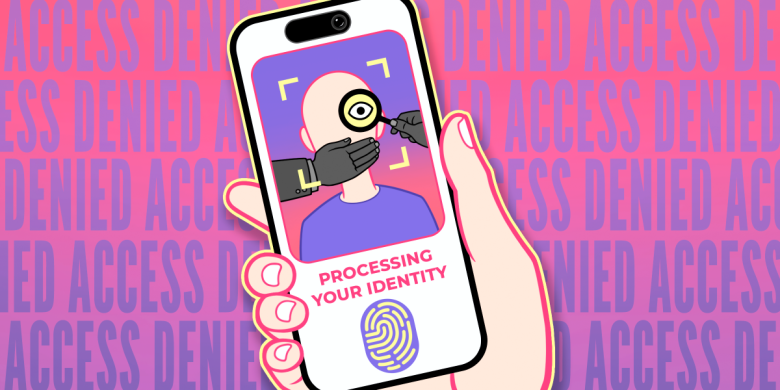
Buried inside the KIDS Act are provisions that will push online services to verify all users’ ages, require government-directed moderation policies for online speech, and even create new rules about private and encrypted communications. While supporters continue to claim this bill protects minors online, its requirements come at the expense of privacy, free expression, and the ability of people of all ages to use the internet without revealing sensitive data.

You have an expectation of privacy in location data that reveals your movements in the physical world, and even short-term surveillance of these movements is a search subject to the Fourth Amendment, the U.S. Supreme Court ruled today in Chatrie v. United States . The case involved geofence warrants, a form of dragnet surveillance police have used to vacuum up location data from electronic devices of people who happen to be in the vicinity of a crime. EFF had joined...
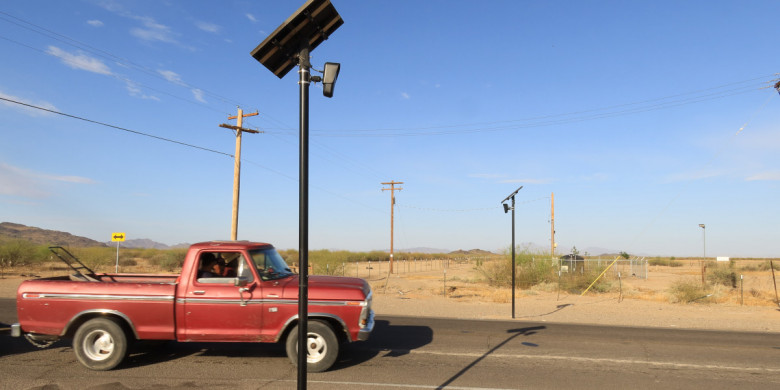
When a car passes an automated license plate reader (ALPR), its plate is captured and instantly compared against a list of vehicles that police are actively looking for or that police have identified for real-time surveillance. These are called “hotlists,” and EFF has learned that one used by agencies across the country targets immigrants on behalf of Immigration and Customs Enforcement (ICE). Agencies using Flock Safety ALPR systems commonly allow the plates their cameras collect to be compared against the...